
The Allure of Casino Games
The psychology behind casino games is a complex interplay of excitement, risk, and reward that captivates players. The thrill of gambling is amplified by the environment of casinos, which are often designed to stimulate the senses. Bright lights, captivating sounds, and the buzz of excitement create an atmosphere that draws players in, making them feel as though they are part of an exclusive and exhilarating experience. In this context, exploring the top 10 online casinos can provide insights into what keeps players engaged and entertained. This sensory overload can lead to heightened emotions and a temporary escape from reality, prompting individuals to place bets they might not normally consider.
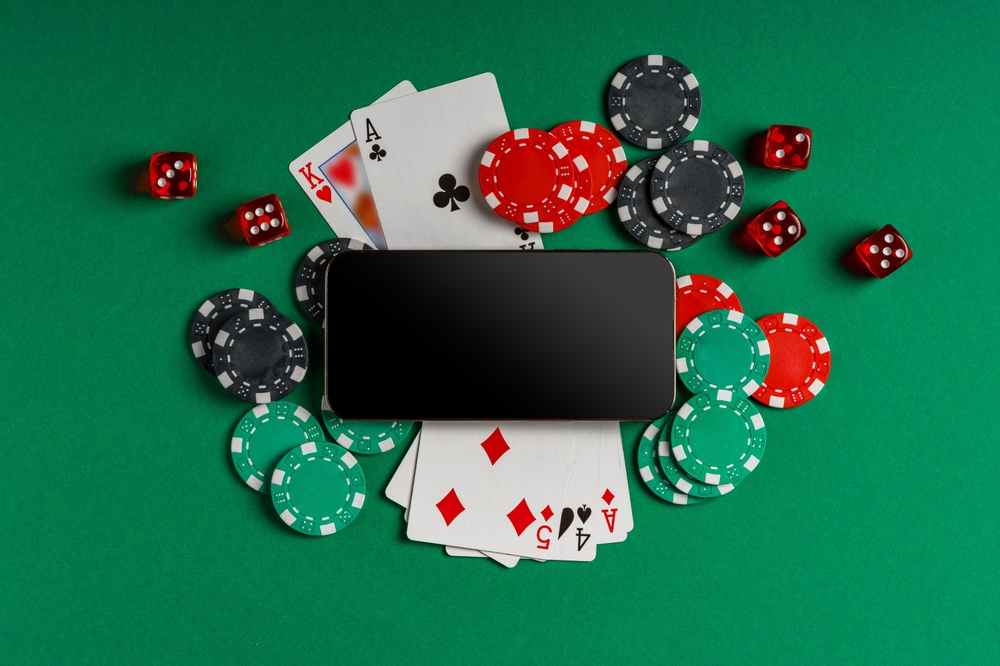
Moreover, the anticipation built around the possibility of winning can trigger dopamine release in the brain, similar to the reactions seen in substance use. This chemical response reinforces the behavior of gambling, encouraging players to chase the next big win. Consequently, the allure of casino games is not merely about the games themselves; it is deeply rooted in the psychological responses they evoke.
The Role of Cognitive Biases
Players often fall victim to cognitive biases that distort their perception of probability and outcome in gambling. One prominent example is the gambler’s fallacy, where individuals believe that past outcomes influence the likelihood of future events. For instance, a player may assume that after a series of losses, a win is imminent, leading them to stake more money than they should. This flawed reasoning demonstrates how psychological factors can significantly influence player behavior, often resulting in irrational betting patterns.
Additionally, the concept of loss aversion plays a critical role in gambling psychology. Players are typically more motivated to avoid losses than to achieve gains, leading them to engage in behaviors like chasing losses. This can create a vicious cycle where players feel compelled to continue gambling in an attempt to recover their lost funds, often leading to even greater losses and further entrenchment in the gambling behavior.
Social Influences and Group Dynamics
The social aspect of gambling can also heavily influence player behavior. Many individuals are drawn to casinos not just for the games, but for the social interactions they provide. Gambling often fosters a communal experience, allowing players to share in the excitement of wins and losses. This group dynamic can create peer pressure, where individuals feel compelled to bet more in order to fit in or impress others, impacting their decision-making.
Additionally, social reinforcement plays a significant role. Observing others winning can increase a player’s desire to participate, as they may believe that they too can experience similar success. This shared experience can amplify the thrill of gambling, making the social atmosphere a pivotal factor in a player’s continued engagement with casino games.
The Impact of Game Design on Behavior
Casino games are meticulously designed to enhance player engagement and stimulate continued play. Elements such as colorful graphics, immersive storylines, and enticing bonuses are strategically utilized to keep players captivated. Game designers implement various mechanics that promote a sense of achievement, such as progressive jackpots or the rewarding of free spins, which can lead players to feel a sense of accomplishment—even if it is fleeting.
Furthermore, the frequent near-misses in many games, where players come close to winning but fall just short, can create a false sense of hope and urgency. This design tactic lures players into believing they are on the verge of a win, prompting them to invest additional time and money into the game in pursuit of that elusive jackpot.

Understanding Gambling Through Judicial Selection
The understanding of gambling behavior and its implications for society is crucial, particularly in the context of judicial selection and regulation. As awareness grows regarding the psychological aspects of gambling, there is a need for informed decision-making related to policies and regulations surrounding casinos and gambling establishments. Knowledge of how player behavior is influenced can lead to more effective regulations that protect vulnerable individuals from potential harm.
Judicial selection processes can benefit from incorporating insights into the psychological nuances of gambling. By understanding the motivations and behaviors of players, legal frameworks can be developed to address issues such as addiction and responsible gaming practices. Empowering citizens with knowledge about these complexities strengthens civic engagement and promotes informed discussions around gambling legislation.